

Thermal performance is a key priority, especially if you want to eliminate cold draughts in winter. For manufacturers, installers, and specifiers, improving a window system’s thermal performance means looking beyond the glazing and considering how each component contributes to the complete system.
With 10 to 20% of heat being lost through windows, insulation is a key consideration. Insulated window infill panels can help a window system limit heat loss more effectively.
What are window infill panels?
Infill panels fill open spaces around a window frame. Insulated infill panels help reduce heat loss, improve thermal efficiency, lower energy bills and enhance indoor comfort.
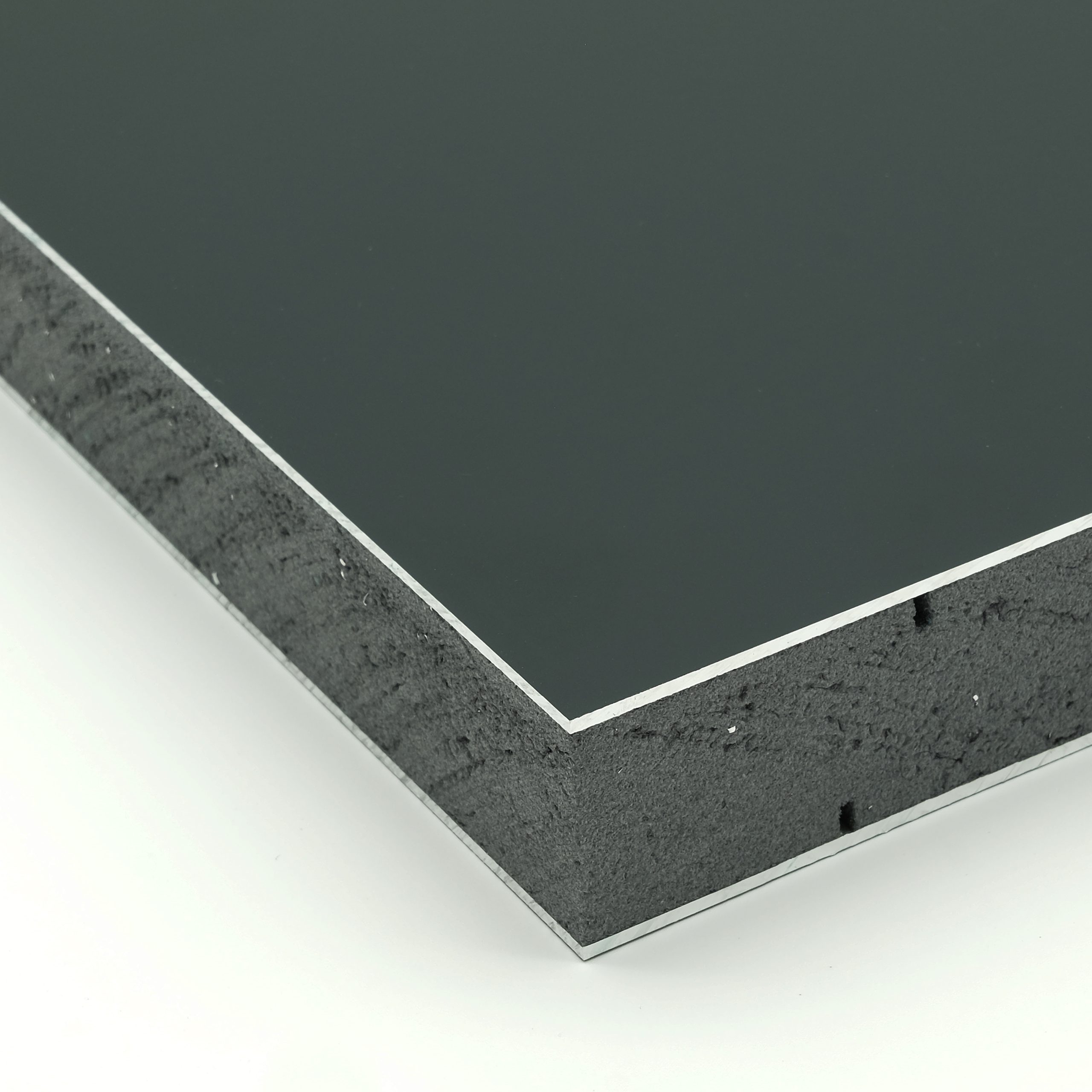
An effective infill solution is Alupanel, an insulated sandwich panel which combines a Ravatherm XPS extruded polystyrene core with aluminium facings. The XPS core provides thermal resistance, reducing heat transfer through solid sections of the window and minimising heat loss.
The panel features 1mm powder-coated aluminium facings, providing a durable, rigid surface suitable for fenestration applications. The powder-coated finish also provides a clean appearance that can complement the surrounding window system.
A practical insulated glazing panel
For manufacturers and installers working on low-rise and trade window applications, Alupanel offers several benefits.
Improved thermal performance: Its XPS core offers low thermal resistance, as low as 0.87 W/m2K. Extruded polystyrene has low thermal conductivity, reducing heat transfer through the panel and improving energy efficiency.
Lightweight construction: The combination of aluminium facings and an XPS core create a panel that provides the required rigidity and insulation without relying on a solid, heavy material. For window manufacturers and installers, this makes handling, cutting and incorporating the panel into a window system easier.
Moisture resistance: XPS cores have a closed-cell structure and low water absorption, providing good moisture resistance. As XPS core is moisture-resistant, it provides a damp-proof layer around windows.
Excellent compressive strength: The core also offers dimensional stability and a high compressive strength of 300 kPa, providing a rigid, robust aluminium glazing panel.
Choosing an infill panel
When selecting an infill panel for a window application, thermal performance should be considered alongside other practical requirements. The panel must suit the intended window system and application while providing the required durability, appearance, and ease of fabrication.
For low-rise and trade window applications, an insulated panel can be a straightforward way to factor thermal performance into the overall window specification. Alupanel provides a practical solution for fenestration applications, giving manufacturers and installers an option to incorporate insulation.
Alupanel is manufactured at Panel System’s factory in Sheffield with RAL colours available on request. For more information on Alupanel, visit: https://www.panelsystems.co.uk/product/alupanel
Frequently Asked Questions (FAQ)
What are insulated infill panels used for?
Insulated infill panels are used for doors and windows in domestic glazing, conservatories, porches and commercial buildings. They can provide insulation while also offering structural rigidity and a durable finish.
What is Alupanel made from?
Alupanel combines a Ravatherm XPS extruded polystyrene core with aluminium facings. The panel is faced with 1mm powder-coated aluminium, providing a durable and rigid finish for fenestration applications.
Is Alupanel suitable for trade window applications?
Yes. Alupanel is designed for fenestration applications, including low-rise and trade window applications that require an insulated solid infill panel.
Are insulated infill panels lightweight?
Yes. Combining an XPS core with aluminium facings creates a lightweight panel that provides insulation and rigidity without the weight of a solid construction.
What are the benefits of an XPS core in a window infill panel?
An XPS core provides thermal resistance, low water absorption and high compressive strength. In Alupanel, the XPS core reduces heat transfer while providing a lightweight, robust panel.
Can window infill panels help reduce heat loss?
Yes. Insulated infill panels can reduce heat transfer through solid sections of a window. Combined with thermally efficient glazing, frames, and seals, they can improve the overall thermal performance of the window system.